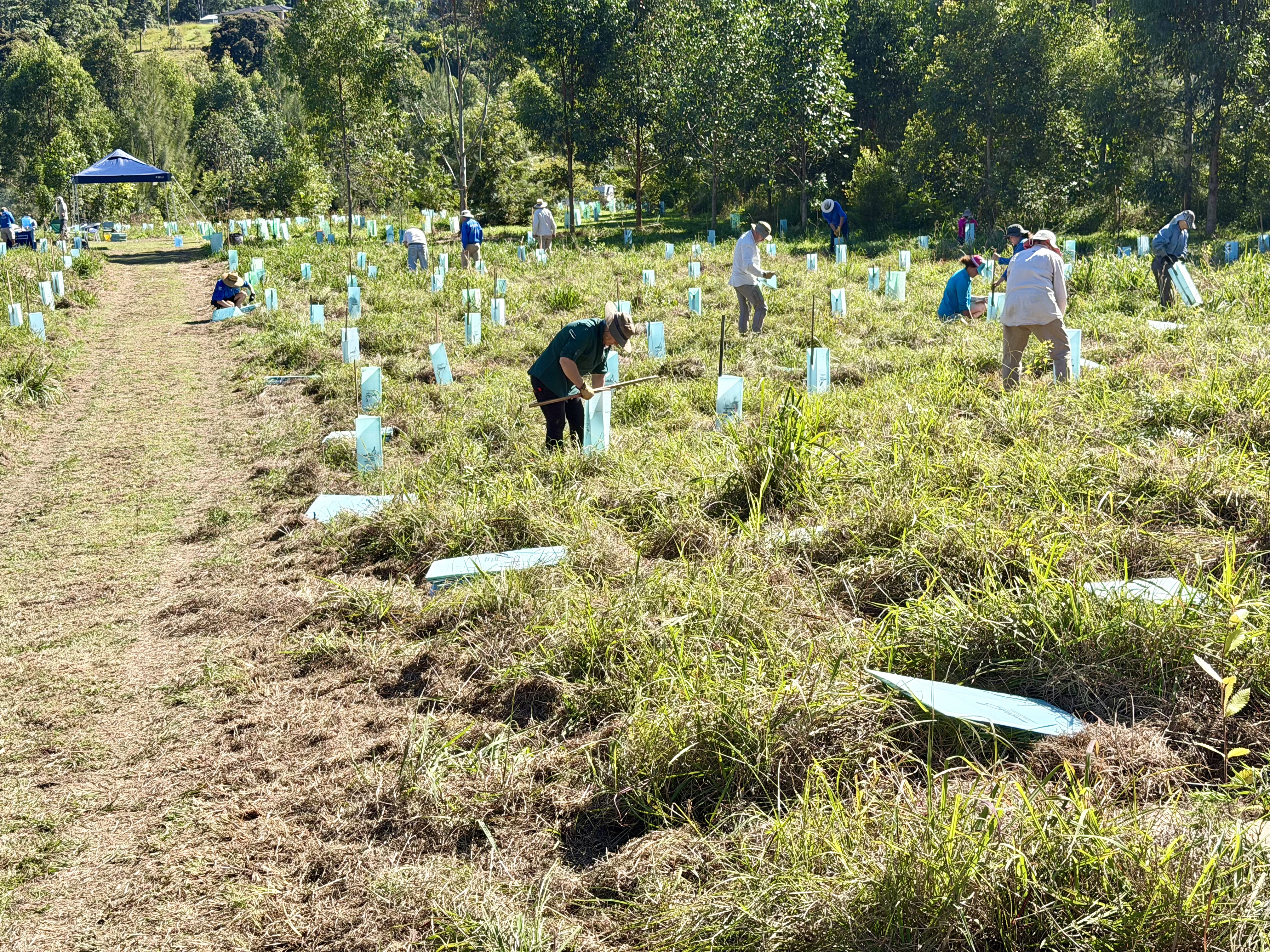
Habitat Revival to receive $30,000 to restore degraded rural landscapes, transforming them into regenerating native rainforest through strategic planting and ecological restoration. Link to Coffs Council detail
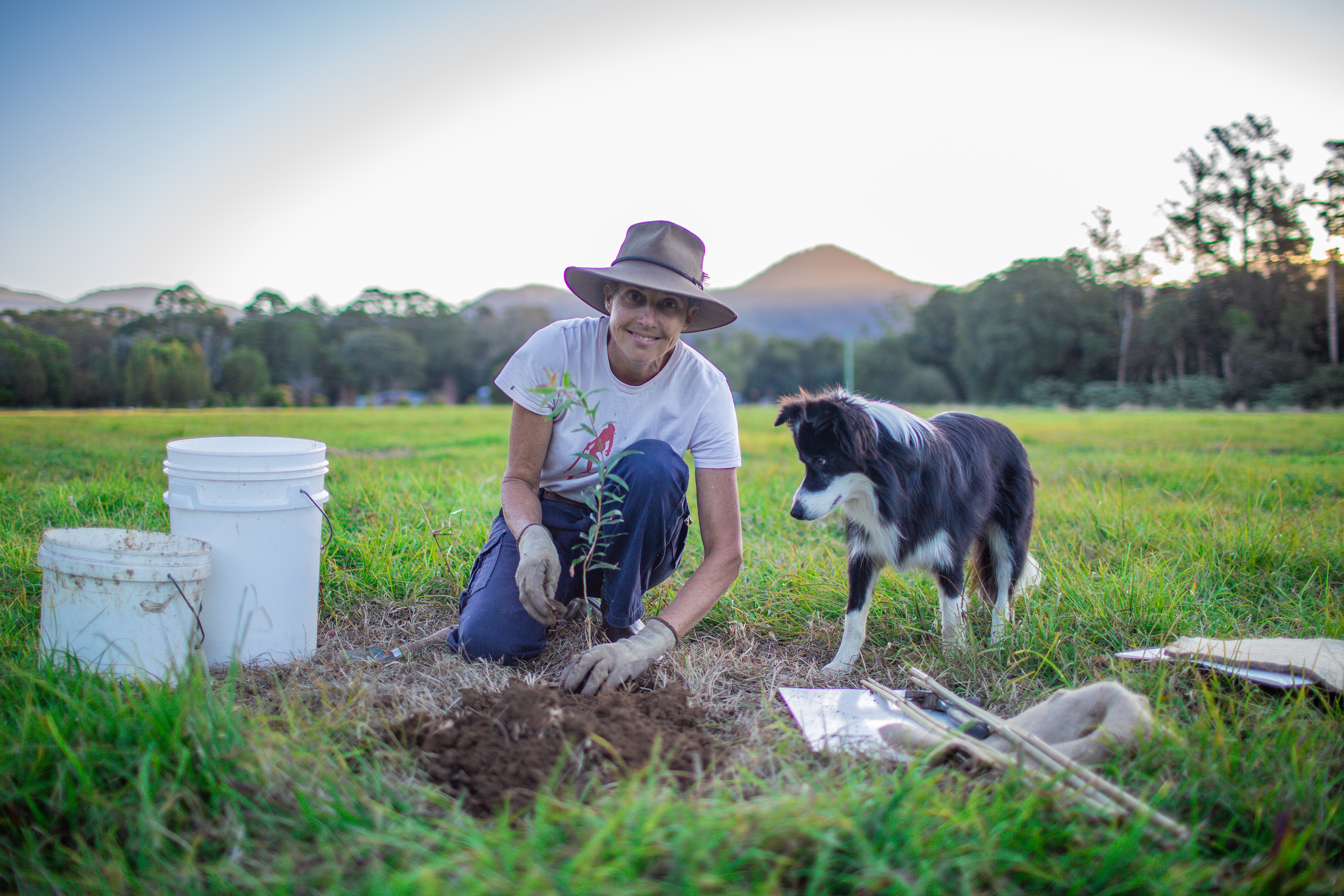
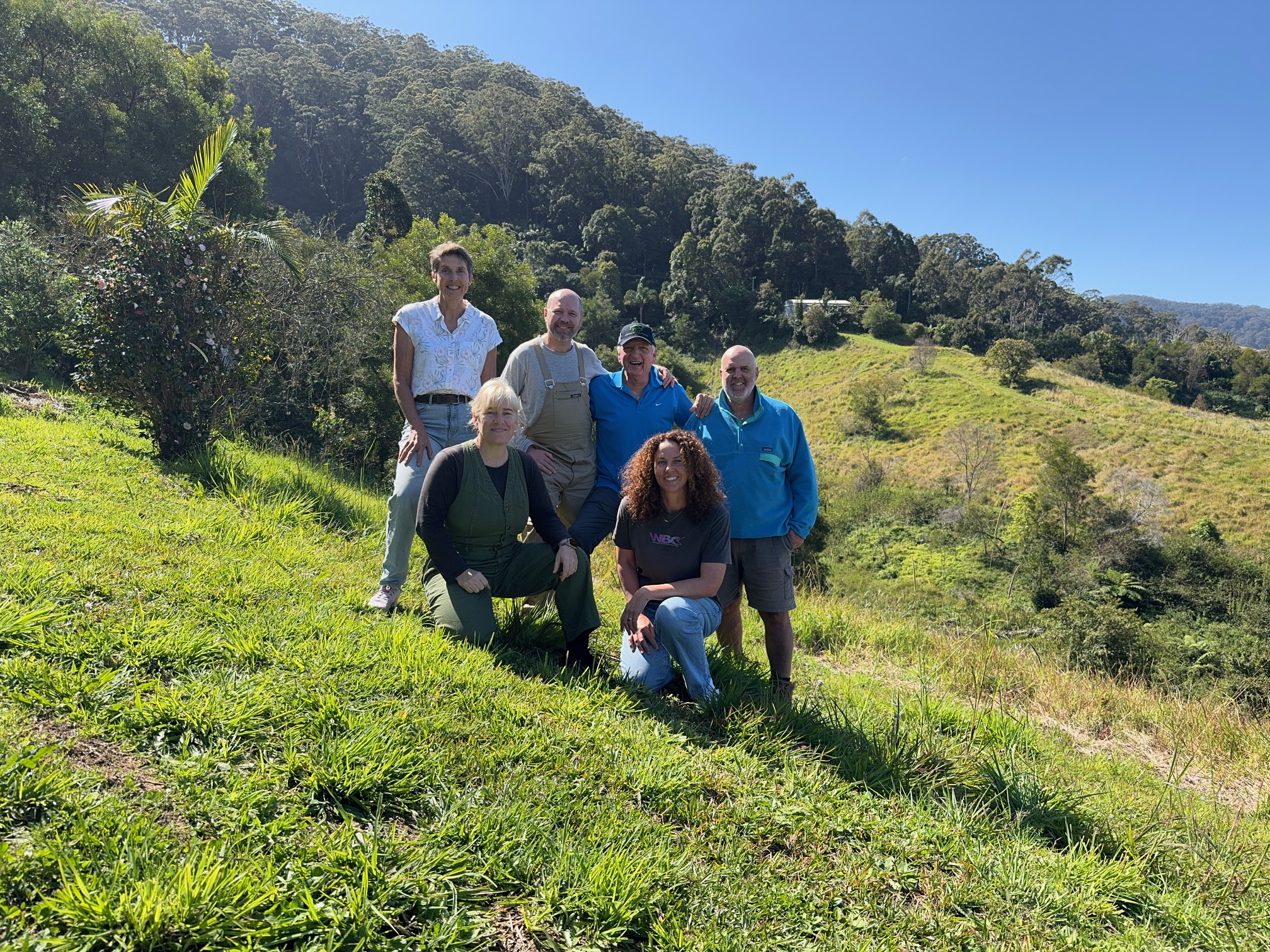
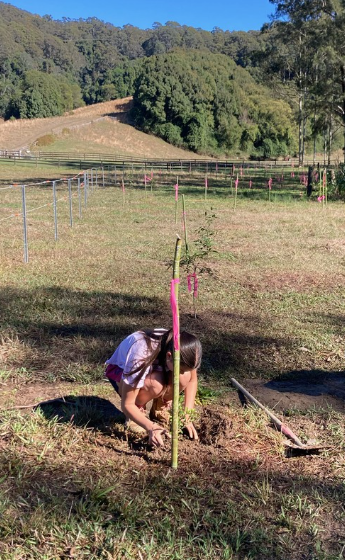
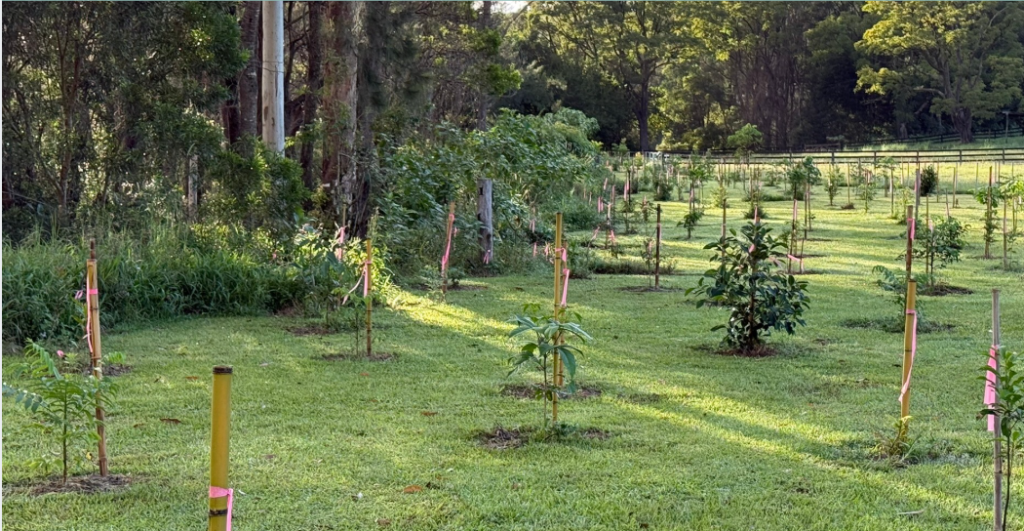
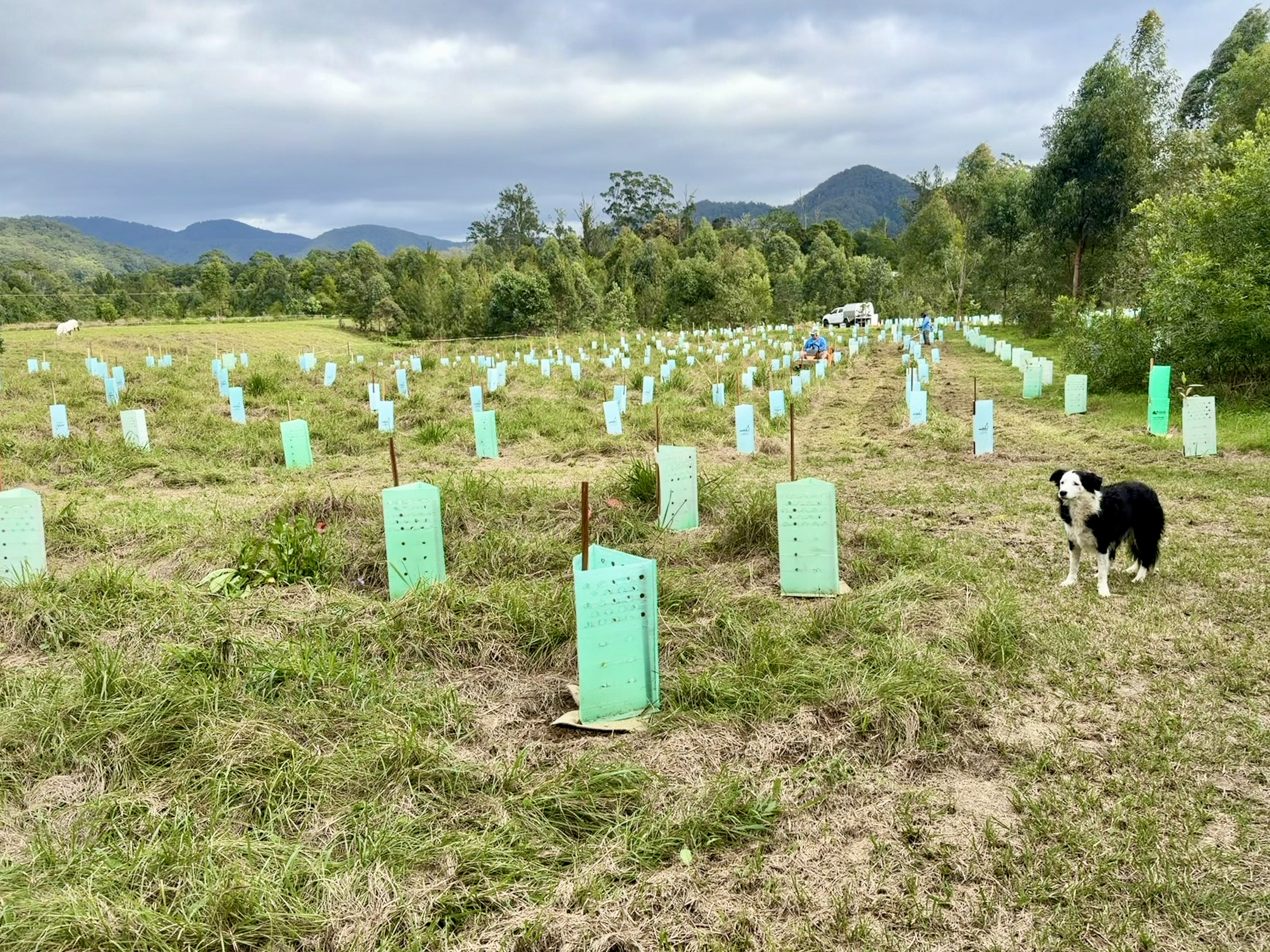
Local Land Services funding covered the planting of over 700 trees in an area along Friday’s Creek, Upper Orara. 25 volunteers came on the Saturday to auger holes, clear weeds, place tree guards and stakes and water in a range of locally propagated native tree and shrub species. OzFish ran a study of the invertebrates…
Program Targets
Key Metrics for effective restoration
1,000+ hectares of native habitat restored
100,000+ locally endemic native trees established
5+ threatened ecological communities under active recovery
Riparian corridor connectivity re-established across the Orara Valley
A regional native seedbank and propagation capacity available to the wider restoration community
Field days, published methods and monitoring results shared openly
Support through funding, volunteers and corporate sponsorship
Commencing in 2026 across four host sites, scaling as funding and partnerships grow
Vision
Restoring habitat across the Orara Valley and the Coffs region
Habitat Revival is restoring native rainforest, wet sclerophyll forest and riparian ecosystems across the Orara Valley and the greater Coffs Harbour and Bellingen region. We rebuild threatened ecological communities, reconnect fragmented habitat corridors and stabilise degraded waterways.
Restoration sites are selected by the Habitat Revival committee against published ecological criteria. Landholders host the works and help maintain them under a written agreement that secures the restoration outcome for the long term.
Funding from Coffs Harbour City Council Environment Levy allocated in June 2026 is being used to fund habitat revival activities at 3 locations:
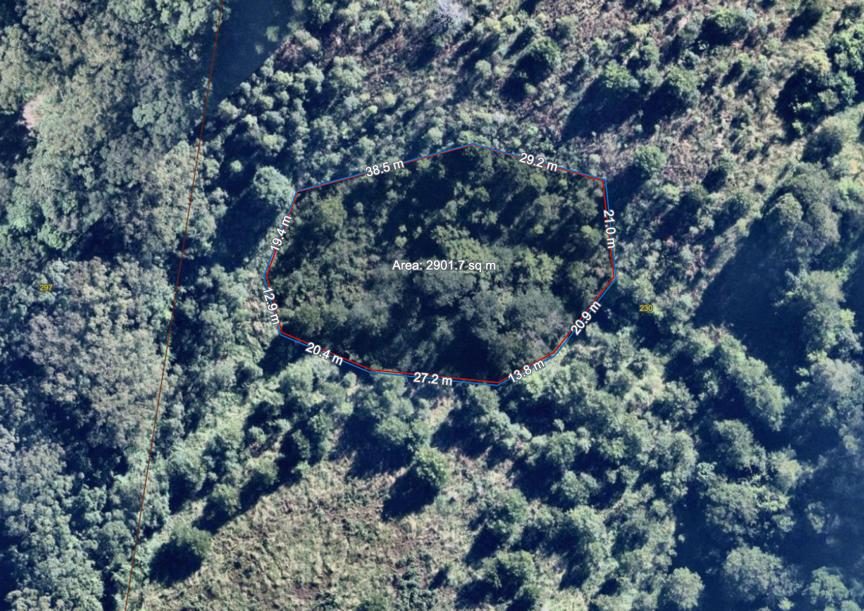
Narlu – Upper Orara – Two areas totalling 4,000m2 adjacent to the Orara West State Forest to have weed control and tree planting.
Lothlorien – Karangi – A 2,500m2 area adjacent to a spring fed creek to have existing lantana and Japanese sunflower weeds removed, ground prepped for planting of Wet Sclerophyll and rainforest species.
Habitat destruction through the clearing and fragmentation of natural landscapes is the largest driver of biodiversity loss across Australia. Native forests, riparian corridors and complex ecosystems have been replaced with simplified landscapes that provide little habitat for wildlife.
When native vegetation is removed, the food, shelter and breeding environments that sustain species disappear. Cleared and eroding creek lines also carry sediment and nutrients downstream degrading water quality. Restoring habitat is therefore one of the most effective actions available to recover biodiversity, stabilise waterways and rebuild healthy ecosystems — and the benefit runs well past the boundary of any one property.
Where we work
Site selection by ecological priority
Much of the Orara Valley and Bellingen Valley were cleared for agriculture, replacing lowland rainforest, eucalypt forest and riparian vegetation with pasture dominated by introduced grasses and invasive weeds. The remnant vegetation that survives is fragmented and under continuing pressure.
Habitat Revival selects restoration sites and priority is given to:
Land supporting, adjoining, or capable of re-establishing a threatened ecological community
Eroding creek lines, drainage gullies and degraded riparian corridors, where works improve water quality downstream through the catchment
Gaps between remnant patches, where restoration will reconnect habitat corridors
Weed infestations acting as a source of spread into surrounding bushland and reserves
Most of this land is privately held. Restoration at landscape scale therefore depends on coordinated works across multiple properties, planned and delivered together.
Restoration Methods Overview
Habitat Revival reconstructs lowland rainforest, littoral rainforest and eucalypt forest by re-establishing the plant communities that originally formed the ecological foundation of the landscape.
The scope of works at each site is determined by the Habitat Revival committee on ecological grounds and set out in a written landholder agreement and agreed restoration plan. The host landholder agrees to accommodate the works, to maintain them for an agreed minimum period, and to allow Habitat Revival access to monitor and record results.
Planting
Endemic native plant communities, based on scientific ecological data.
Restoring
Structural layers of revegetation — canopy, mid-storey, shrubs and ground layer.
Establishing
Food sources, nesting habitat and shelter for wildlife.
Stabilising
Waterways, restoring natural riparian and green corridors.
Seed Propagation
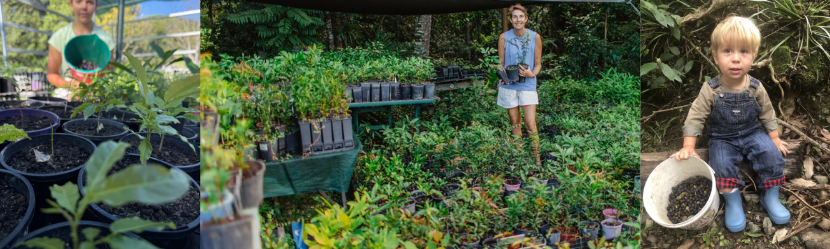
Habitat Revival is building a locally adapted seed supply and regional seedbank for the Orara Valley.
Seed is collected from remnant native vegetation across the program area under agreed protocols, propagated, and used across all restoration sites.
Provenance records are maintained so that material and data can be used by other restoration groups in the region.
Habitat Revival supports volunteers and host landholders with knowledge, materials and guidance for propagation.
Plants are also sourced through local native nurseries.
Habitat Enhancement
Nest Boxes
Habitat Revival installs nest boxes to provide immediate shelter for hollow-dependent wildlife.
Artificial burrows
Artificial hollows and burrows can be created in suitable trees to help replace natural habitat lost through historic clearing.
Feed species
Planting is designed to include native species producing nectar, seed and seasonal fruit to support local wildlife.
Shelter and nesting
Strategic planting and habitat structures help provide shelter, nesting opportunities and food sources for returning fauna.
Weed Management
Targeted weed removal to prepare restoration sites before planting.
Removes competition so native species can establish and grow strongly.
Ongoing control of invasive weeds such as privet, camphor laurel and lantana.
Monitoring and follow-up treatment to protect young plantings.
Management continues for several years until native vegetation is established and naturally suppresses weeds
Pest Management
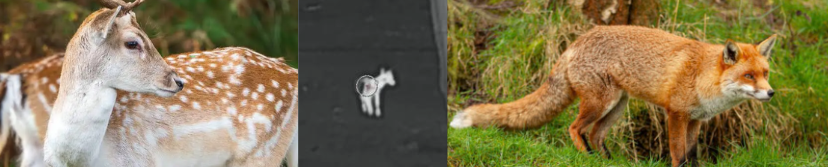
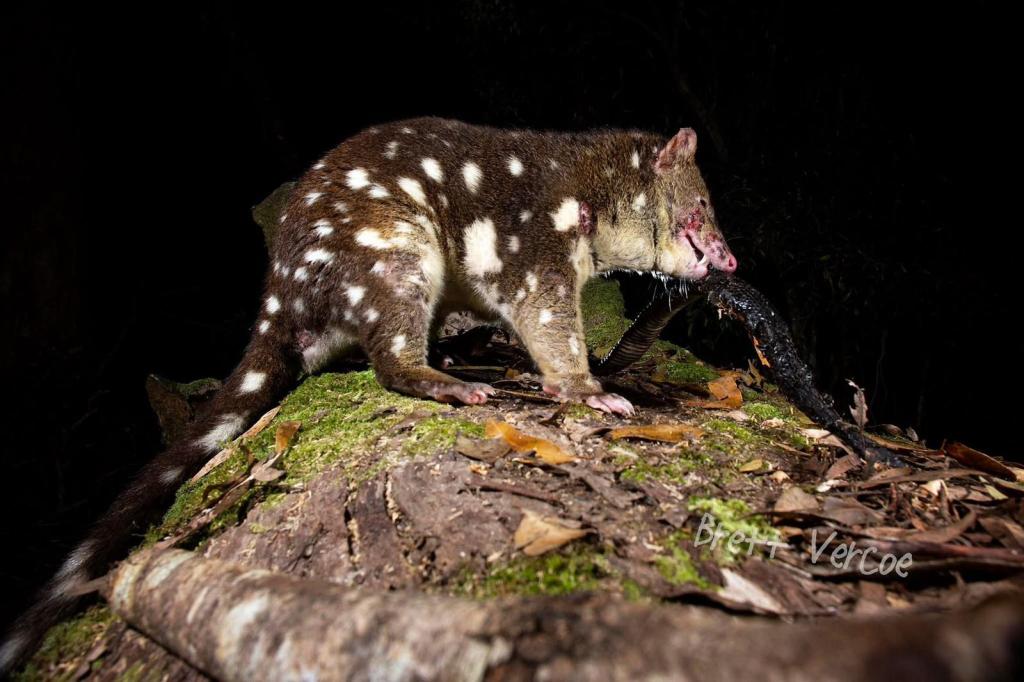
Targeted control of introduced species that prevent habitat recovery — principally deer, which browse and destroy young plantings, and foxes, which prey on returning small mammals, frogs and ground-dwelling birds.
Control is planned by Habitat Revival as part of each site restoration plan and directed at the species limiting native recovery.
Works are coordinated across adjoining restoration sites so that recovering habitat is not reinvaded.
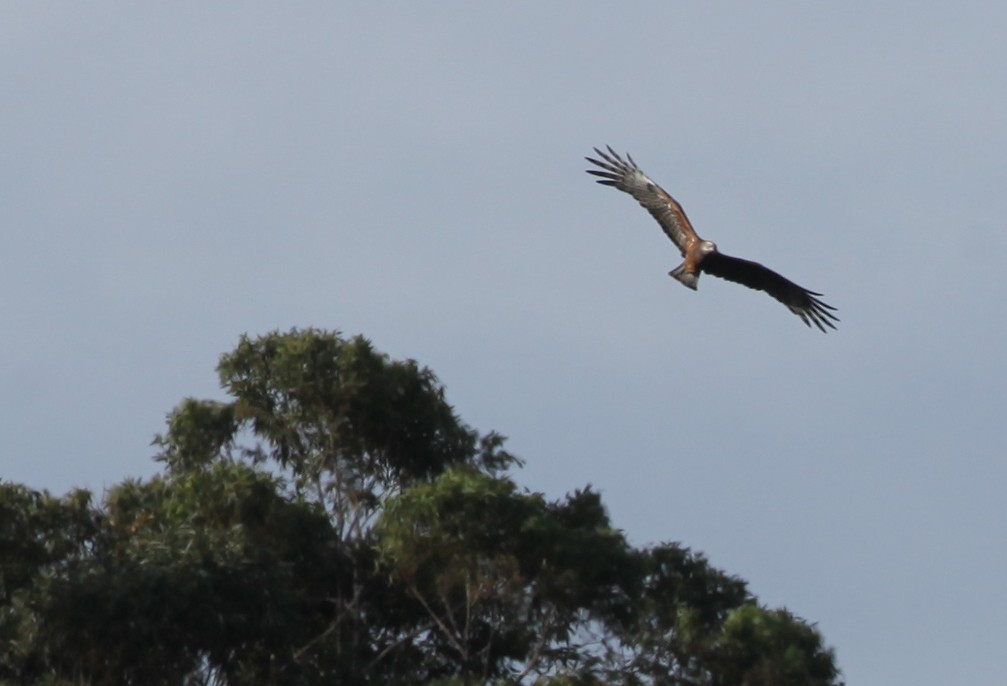
The measure of success is the return and persistence of native fauna.
How Habitat Revival works
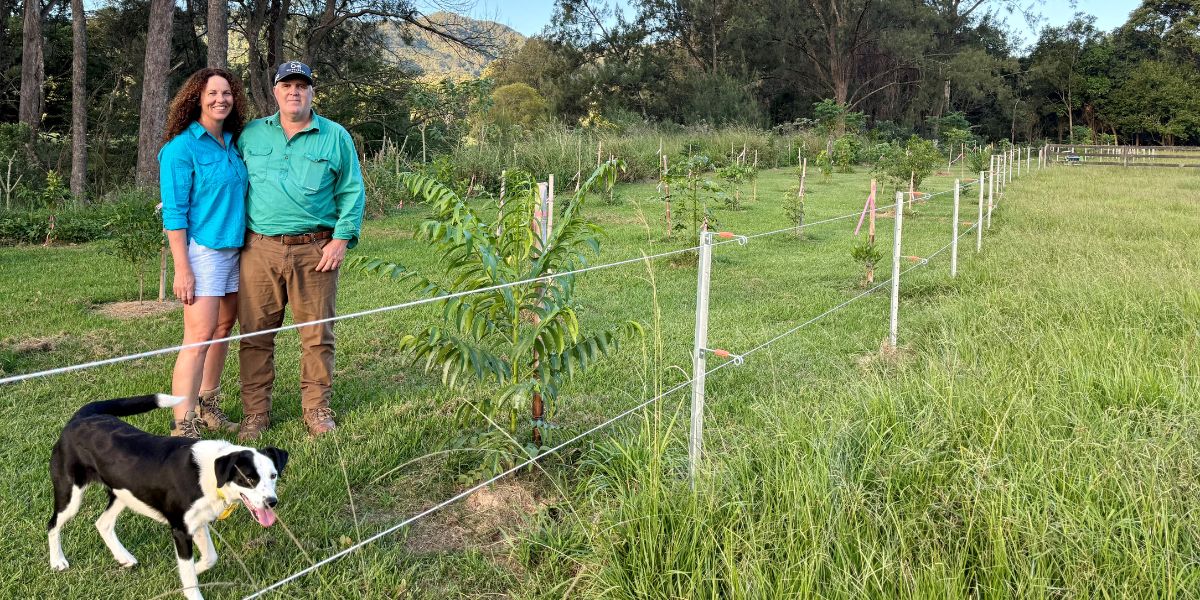
A community association Habitat Revival Incorporated is a community-based association formed to restore native habitat across the Orara Valley and the greater Coffs Harbour and Bellingen region. Membership is open to anyone who supports that purpose — volunteers, ecologists and other technical specialists, community members, and landholders willing to host restoration works. The committee plans the restoration program, selects sites on ecological criteria, holds the funding and directs the works. Host landholders provide access to land and commit to maintaining the restored areas under a written agreement. Any incidental benefit to a host landholder is a by-product of the ecological work. Sharing what we learn Restoration knowledge is one of the main things Habitat Revival produces. We run field days, publish our methods, species lists and monitoring results, and make provenance records available to others. The intent is that landholders, community groups and restoration practitioners well beyond our own sites can act on what we have tested. Working with others Habitat Revival works alongside the local Landcare group, and draws on the restoration undertaken by Lisa and Brett Vercoe at Narlu, which demonstrates the ecological outcomes achievable through sustained regeneration and stewardship.
Governance and safeguards
Habitat Revival Incorporated is registered under the Associations Incorporation Act 2009 (NSW), registration number INC2500980 and is a not-for-profit association.
How the public benefit is secured
Reporting — monitoring results and program outcomes are published.
Site selection — the committee selects restoration sites against published ecological criteria and records decision making about the site.
Landholder agreements — every host site is covered by a written landholder agreement specifying the works, a minimum retention and maintenance period, access for monitoring, and a remedy if the works are not maintained.
Conflicts of interest — a committee member with an interest in a site discloses it.
Related party payments — any payment for goods or services must be paid to that provider, approved by the committee, and recorded with reasons.
Gift fund — donations are received into the Habitat Revival Gift Fund, held in a separate account, and applied only to the association’s principal purpose.
Supporting the program
Habitat Revival is committed to sharing knowledge, practical experience and restoration results with the wider community. By documenting and publishing progress across the program, we aim to demonstrate that meaningful ecological recovery is achievable at landscape scale, and to work with landholders and other community groups to improve the natural environment.
Restoring landscapes at scale requires sustained investment. Grant funding, sponsorship and donations enable Habitat Revival to expand the restoration program, propagate and plant, sustain weed and pest control through the years it takes native vegetation to establish, and monitor and publish the results.
Contributions are applied to the restoration program under the direction of the Habitat Revival committee. Donors cannot direct funds to a particular property, and Habitat Revival does not pass donations on to other organisations or individuals.